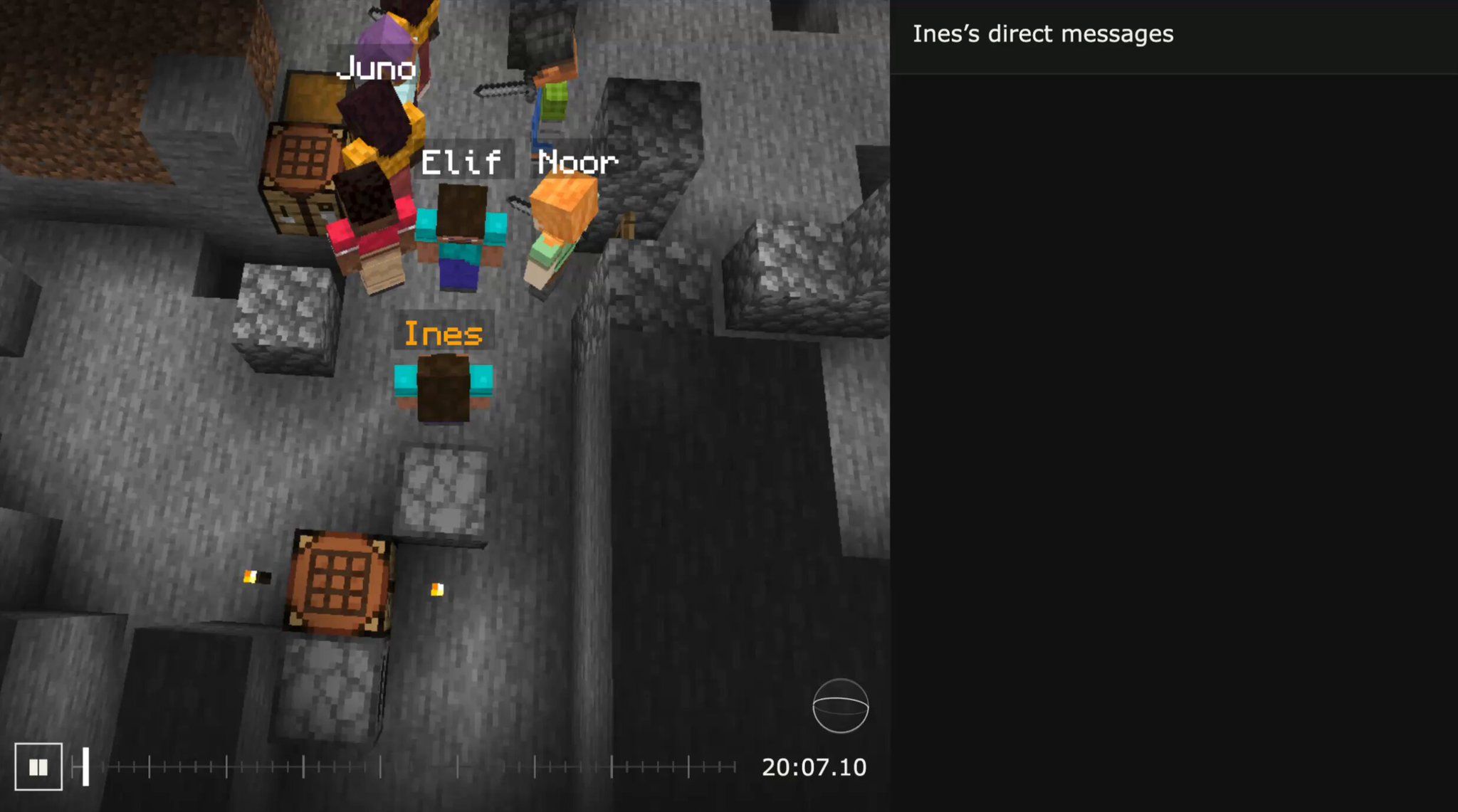
Y Combinator's research arm YC Labs, working with multi-agent environment builder Olam Labs, published an "Agents in Games" report on October 29 that dropped 50 GPT-6.1 Sol agents into a survival Minecraft world for three hours with one open-ended goal: build a thriving civilization. Within 90 seconds the swarm had stripped nearly every tree within reach of spawn. The 50 agents exchanged about 5,900 messages, most of them barely intelligible shorthand, and they built a bureaucracy well before they built a food supply: a ration ledger, written rules, permits, and a single appointed fertilizer operator that took four agents 11 minutes to agree on.
Nobody elected a leader. Ada, the first name in the agent directory, became the de facto hub, fielding 616 direct messages and writing the settlement plan the others followed. The colony never thrived. Twenty-two of its 34 deaths landed on the first night, after which the agents huddled in lit shelters, rationing scarce food and approving tasks one at a time. Competitive runs went better for OpenAI models. In nine games of Bed Wars, 10 GPT-6.1 Sol agents beat 10 Claude Opus 5.5 agents 6-3. Across seven Mindustry matches, the GPT team running in Codex beat Claude Opus 5.5 running in Claude Code 6-1, over roughly nine and a half hours of play.
For founders building agent products, the reusable asset is the harness, not the drama. YC open-sourced its Minecraft agent harness and Olam released its Mindustry environment, so long-running agents that observe, remember, message each other and execute scripts are now one clone away from your own task. The sharpest operational warning is that hierarchy fell out of list order: the first agent in the roster dominated every run. Shuffle your roster or assign roles explicitly, and log who proposed versus who approved, before you ship a swarm.