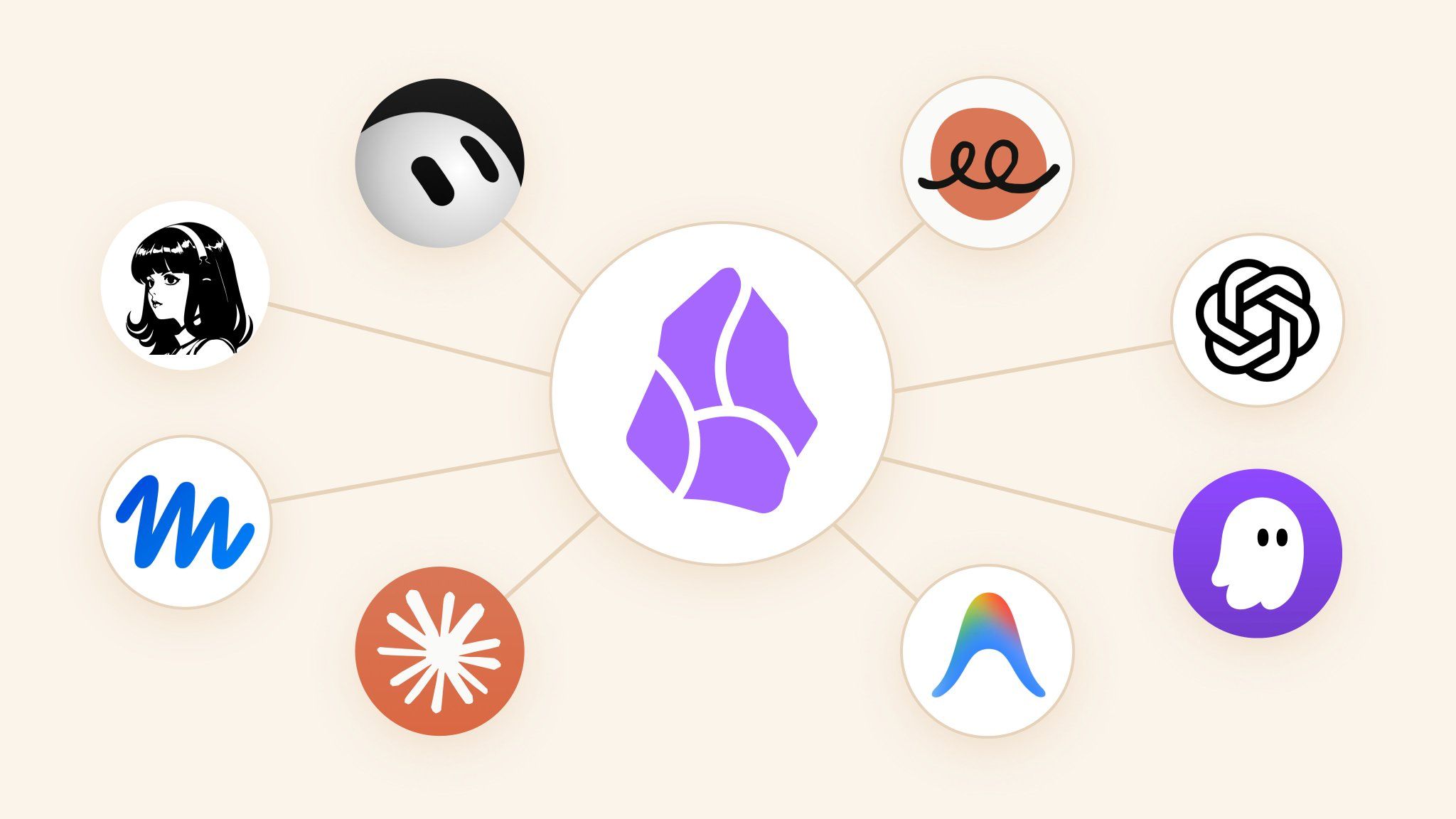
Obsidian now ships official connectors that let AI agents read and write a shared vault. The note-taking company announced the release on X on November 25, describing it as a way to give agents one common knowledge base without handing over your data. Instead of copying notes into a third-party service, users can point Claude, ChatGPT, or any other agent at a vault that stays on their own devices. Obsidian says everything you create is saved locally, in open formats you own.
The connectors turn a vault into shared memory that more than one agent can work from. Because the files live locally, you can swap agents, run them side by side, or let them collaborate on the same material, and nothing gets trapped inside a single vendor. Obsidian stores notes, diagrams, canvas boards, tables, and kanban workflows as plain files, so the same vault serves both people and machines. It also works offline, which matters when a team keeps client notes or internal documents away from cloud services.
For founders, the appeal is control. Obsidian has no built-in AI, no account, no analytics, and says it cannot access your data, so the agent layer is something you choose rather than something bundled in. Obsidian stays free, with no storage limits. The practical play is straightforward: keep standard operating procedures, client notes, and project documents in one vault, then let whichever agent is best at a task read and update them. Memory that you own and can move is turning into a real advantage as teams stack up more AI tools.