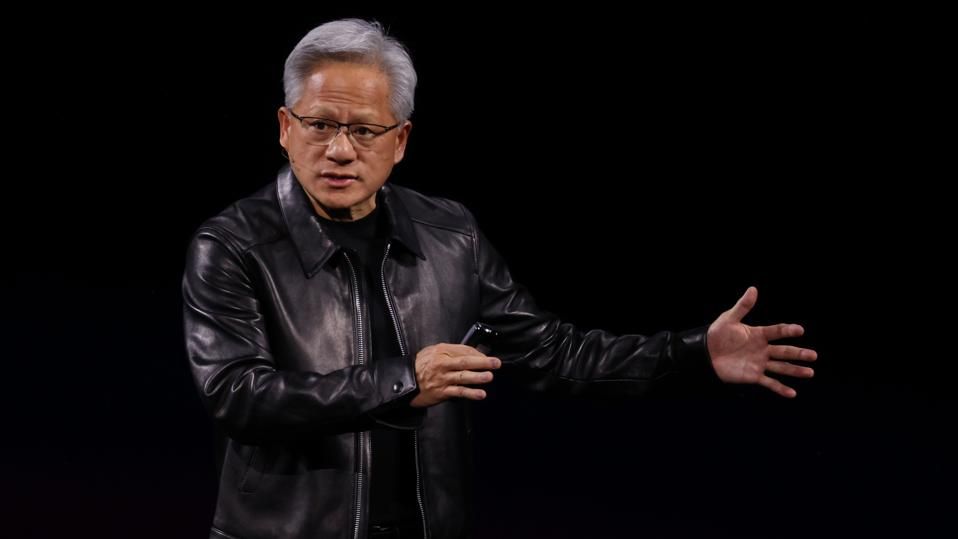
The Wall Street Journal reported on Wednesday that Nvidia's board is preparing to remove co-founder and chief executive Jensen Huang, capping a fast collapse in confidence at the roughly four trillion dollar chipmaker that anchors the global AI buildout.
Reuters, citing a source familiar with the matter, said directors were meeting Wednesday evening to decide his future. Under Nvidia's bylaws, a majority of the board can remove the CEO with or without cause, and all but Huang are considered independent.
The trigger is a governance crisis rather than a product one. Huang wrote to staff on Sunday acknowledging he had been unfaithful to his wife and apologised. One relationship was with Alice Huang, an executive at Singapore-based data company Megaspeed, which US intelligence officials suspect of working for Chinese intelligence services. The New York Times subsequently reported a second relationship with Kimberly Powell, a senior Nvidia executive who runs its healthcare business. Nvidia's board has opened an independent investigation, overseen by outside counsel, into whether its CEO was the target of a foreign intelligence operation.
Markets reacted hard. NVDA fell more than 8 percent in extended trading on the report, extending losses since the investigation became public to roughly 600 billion dollars in market value, according to Reuters. Bloomberg reported the board has engaged an outside firm to identify possible successors, and the prediction market Polymarket put the odds of Huang leaving before the end of the year near 88 percent. Huang, 63, owns about 3.6 percent of Nvidia and has no obvious successor, with quarterly results due on November 17. For founders building on Nvidia's stack, the practical question is not who runs the company. It is whether pricing, supply and roadmap commitments survive a leadership transition at the firm selling most of the compute behind today's AI models.