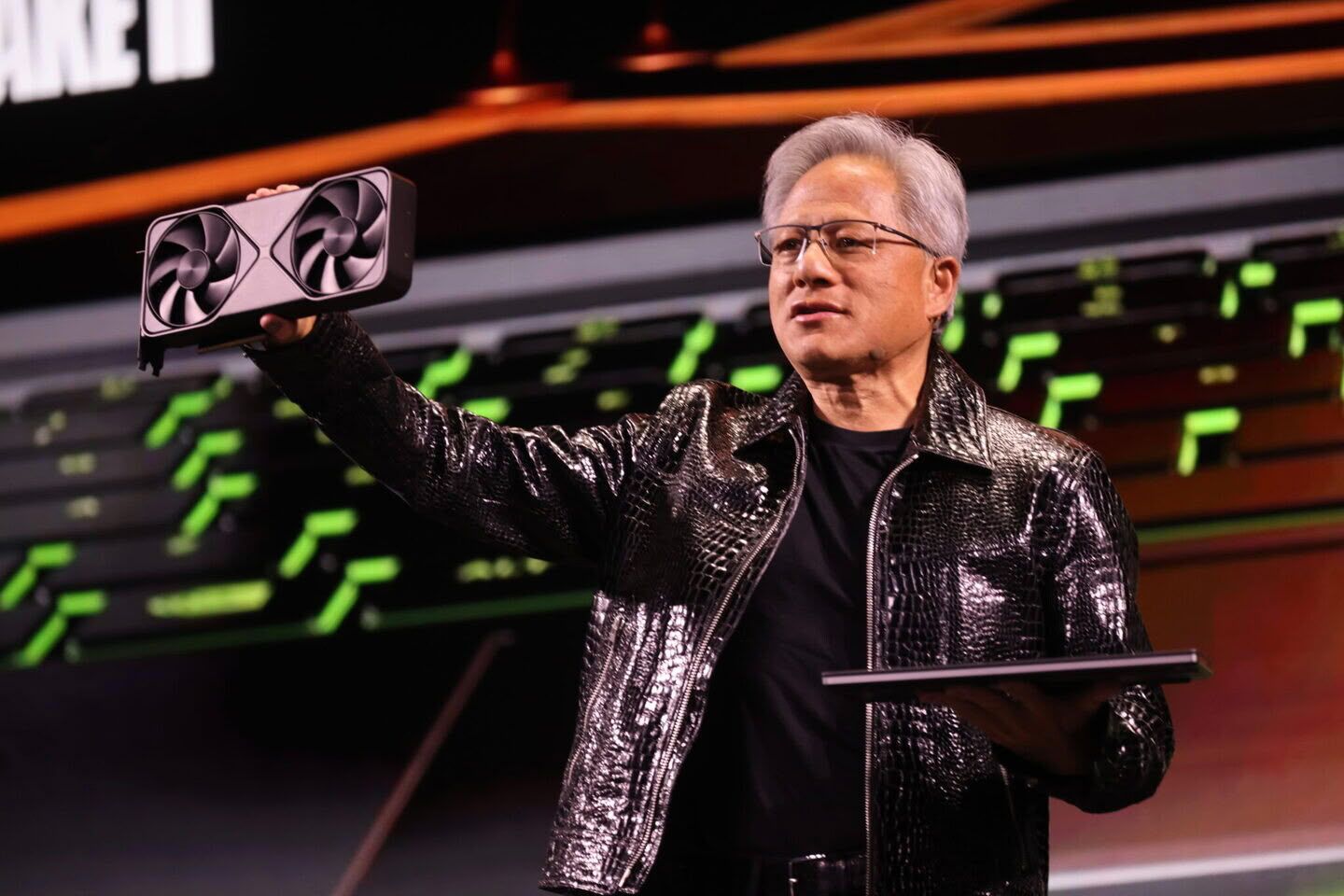
Nvidia is facing allegations that it manufactured the very shortage that made its chips scarce. A new Wall Street Journal report, relayed by Wccftech and TechPowerUp, claims the company invested in AI startups that then bought Nvidia GPUs and built data centers around them. The point, according to the report, was to keep demand looking insatiable while moving an oversupply of semiconductors out of TSMC's pipeline. In other words, circular financing: Nvidia's money went out to customers who sent it straight back as revenue.
The report centres on an August meeting between then-CEO Jensen Huang and his senior finance team. CFO and now acting CEO Colette Kress pushed to scale back Nvidia's circular financing agreements, including a USD 250 billion deal with OpenAI. Huang reportedly reacted angrily, calling her a deer in the headlights. The push into small cloud providers was partly a response to hyperscalers drifting toward custom silicon of their own, which threatened to shrink Nvidia's addressable market.
The exposure is uncomfortable. Nvidia was left holding what the report describes as an avalanche of GPUs from TSMC with no immediate buyers, and the small cloud providers it backed could not actually afford the hardware, making them a financial dead end. The story lands days after Huang stepped down as CEO amid a board investigation into his personal conduct. For founders building on AI infrastructure, the takeaway is a familiar one: compute scarcity has never been purely a matter of physics, and pricing built on artificial tightness is fragile.